
All of these programmes are grounded in the science of Kinderkinetics, which emphasises neuro-sensory-motor development through play and structured activity to help children reach their full potential — physically, cognitively, and socially.
Visual stimulation programmes focus on improving how children see, process, and respond to visual information. Unlike regular vision screening, this specialised training enhances visual skills such as tracking moving objects, depth perception, visual discrimination, and hand–eye coordination — foundational abilities that support academic success and daily activities. Effective visual stimulation uses tailored exercises that gradually build the efficiency of the visual system and improve how the brain interprets visual input.

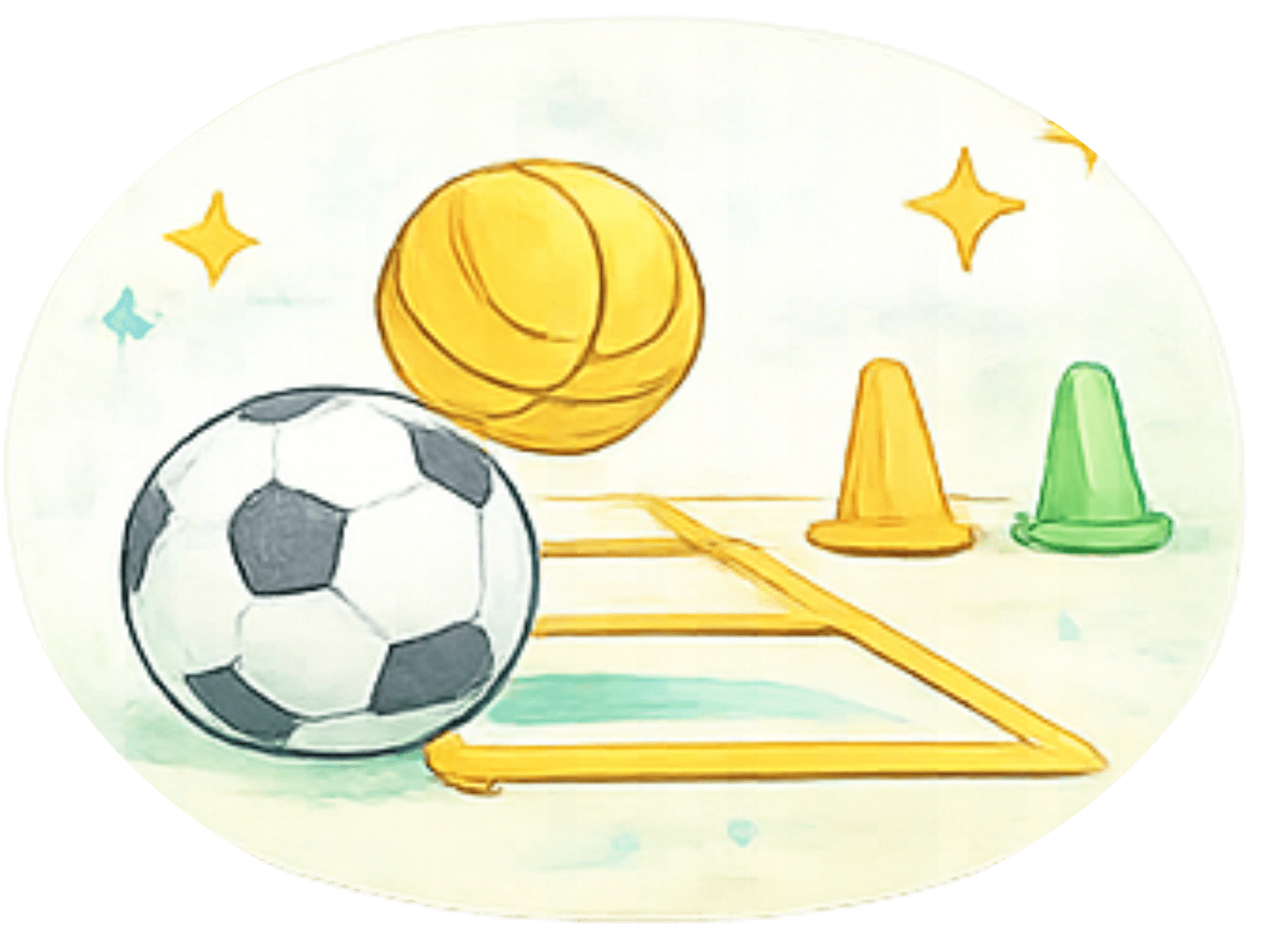
A Sport Vision Program combines visual skills training with movement and sport-specific tasks to help young athletes perform better in their chosen sports. It strengthens visual–motor connections, improves peripheral awareness, reaction time, visual tracking, depth perception, and spatial processing — all essential for fast-paced field or court sports. The program benefits both emerging athletes and children developing sport confidence and perceptual skills.

This program teaches the fundamental movement skills underlying many sports (e.g., running, jumping, throwing, catching, balance) and gradually transitions into sport-specific drills. It’s designed to build coordination, speed, agility, strength, and confidence through targeted, developmentally appropriate activities. Younger children focus on broad motor skills, while older kids begin more specialised sport skill development in a fun, motivating environment.

A Special Needs Program is tailored for children with diagnoses such as ADHD, ASD, DCD (developmental coordination disorder), sensory processing challenges, learning delays, or other neurological differences. Sessions are individually adapted based on assessment and target motor planning, sensory regulation, self-confidence, and functional skills that support success at home, in school, and in community participation.

Specialised Movement Programmes address higher-level motor skills beyond basic motor milestones. These programmes target balance, body awareness, postural control, bilateral coordination, cross-coordination, rhythm, timing, and dynamic stability — skills essential for sport, academic tasks, creative movement, and everyday physical confidence. They are structured to challenge and build a child’s neuromotor system progressively.

Remedial Programmes are individualized interventions developed after a detailed assessment of a child’s strengths and challenges. They aim to close developmental gaps in motor skills, sensory-motor integration, reflex maturation, and perceptual skills. These programmes use evidence-based exercises and progressive tasks to help children catch up to age-appropriate skill levels and succeed in their daily tasks.

Primitive reflex integration programmes focus on identifying and resolving retained primitive reflexes — automatic movement patterns present at birth that should naturally integrate as the nervous system matures. If these reflexes persist, they can negatively affect balance, coordination, posture, hand–eye skills, and learning. Targeted reflex-integration activities help deepen neural connections and support motor control, attention, and academic readiness.

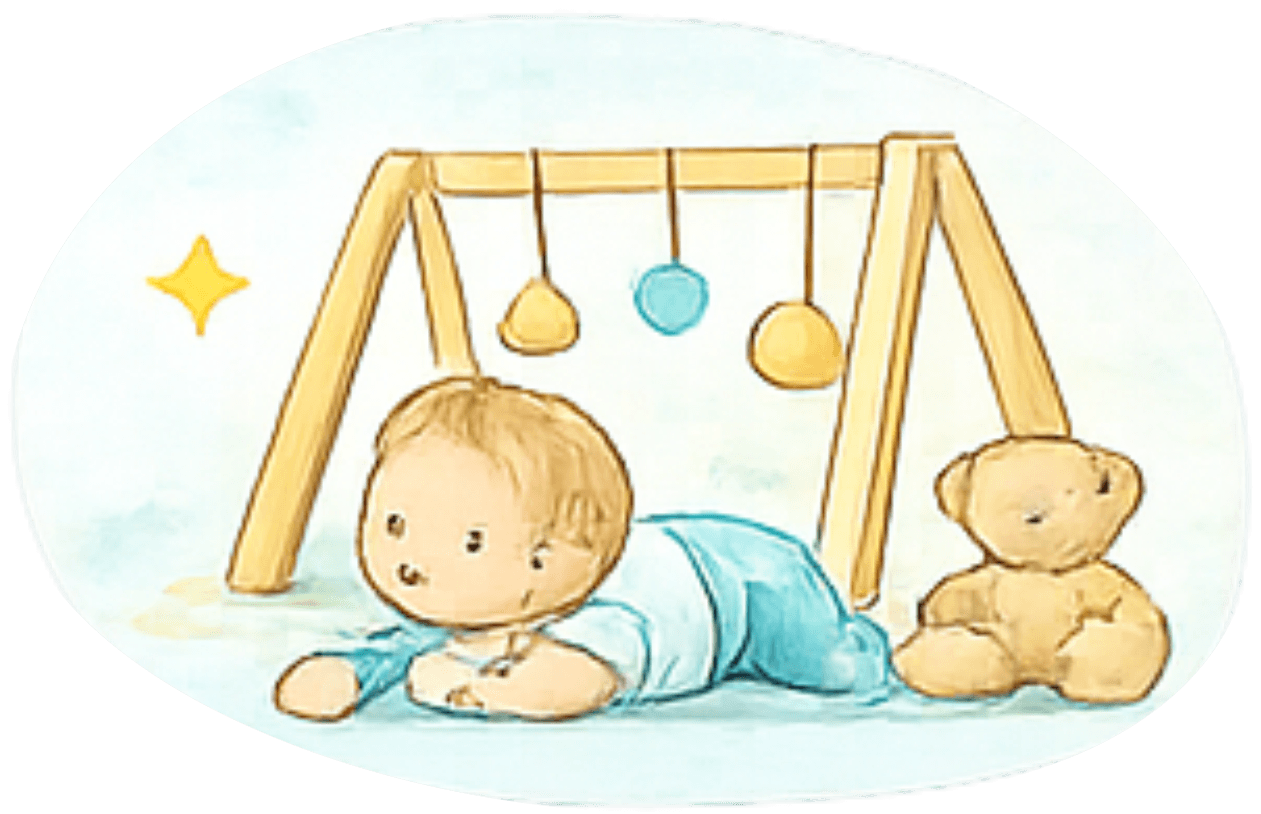
The Baby Kinetics/Stimulation Program is a research-driven sensory-motor development curriculum for infants from birth to 24 months. It uses gentle, fun, play-based activities to stimulate all sensory systems, promote gross and fine motor milestones, integrate primitive reflexes, and support brain development. The goal is prevention and improvement — helping every baby meet developmental milestones and build a strong foundation for future movement and learning.

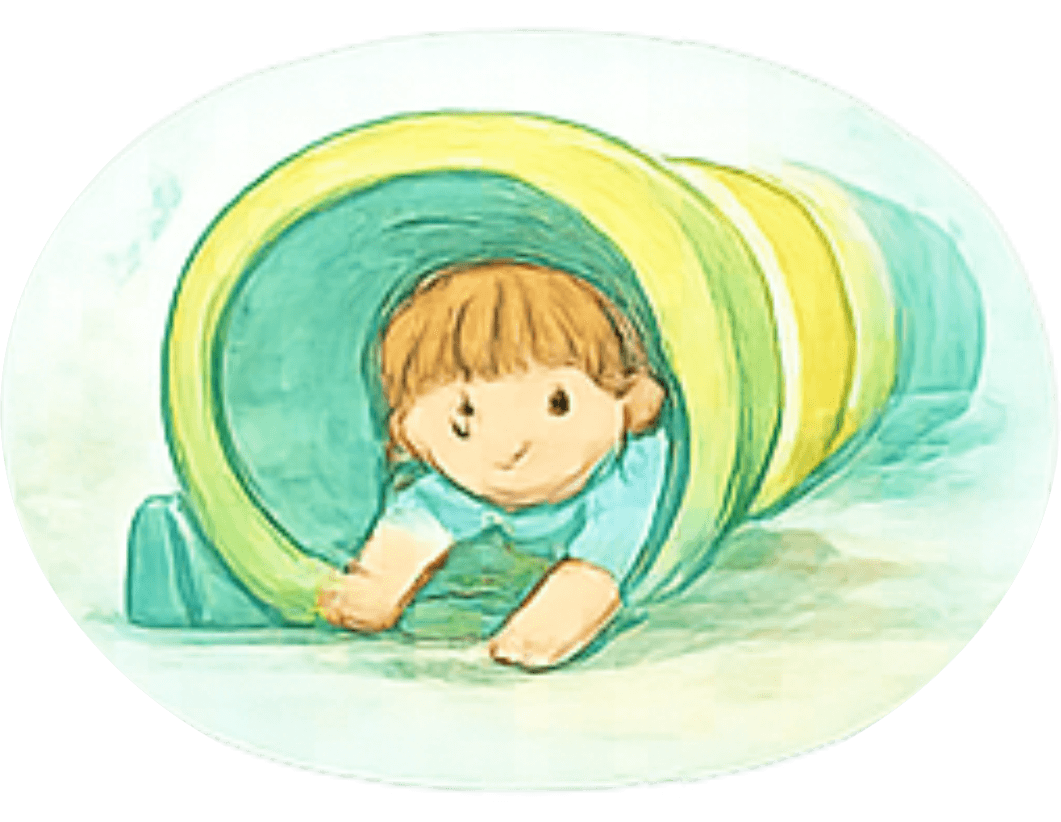
Toddler Program focus on children roughly 1–3 years old and build on early motor skills to
– help toddlers develop balance, coordination, body awareness, spatial orientation, and confidence. Using age-appropriate games and movement challenges, toddlers learn to run, jump, climb, manipulate objects, and interact with peers — all while refining motor control and sensory processing crucial for school readiness.

A successful start to Grade R and Grade 1 depends on much more than age. School readiness is a combination of physical, emotional, cognitive, and perceptual skills that help a child cope confidently with the demands of formal learning. At Smart Vision Kinderkinetics, we provide comprehensive School Readiness Assessments designed to identify your child’s strengths and developmental needs early — giving them the best possible start to their learning journey.
Our assessment looks beyond academic ability and focuses on the whole child, including:
Gross motor skills: balance, coordination, posture, and core strength
Cognitive readiness: memory, problem-solving, early numeracy and literacy foundations
Fine motor skills: pencil grip, cutting skills, hand–eye coordination
Emotional & social readiness: confidence, independence, attention span, and adaptability
Perceptual development: visual perception, auditory processing, spatial awareness, laterality, directionality
School behaviours: ability to follow instructions, classroom readiness, and task persistence

Mommy & Me (Giggle & Grow) classes are interactive parent-and-baby sessions that focus on early development through guided play, sensory exploration, and shared movement. These sessions create a joyful space for bonding while supporting whole-child development.
Giggle & Grow nurtures early development while creating meaningful connection between caregiver and child in a warm and supportive environment.